
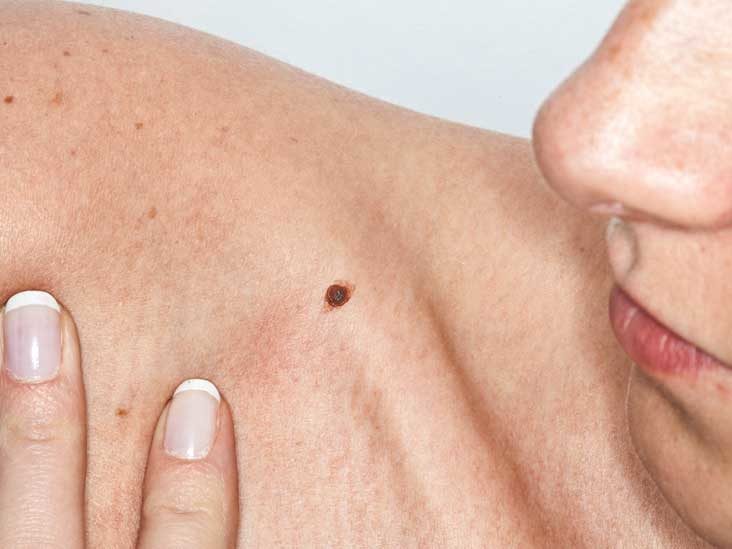
Alongside exposure to UV rays, Australia’s harsh sun is the significant cause of skin cancer in Brisbane. So, if you live in Brisbane, you must be vigilant about your skin. The best way to do this is by getting a skin cancer check whenever you suspect it.
About 95% of melanomas and 99 per cent of non-melanoma skin cancers are due to sun exposure in Australia. If Brisbane’s inhabitants fail to monitor how and when they expose their body to the sun and UV rays, many of them might get skin cancer.
Early detection is crucial as it increases the chances of getting the right treatment, eliminating cancer. The incredible news is; there is always a doctor waiting for you in cancer clinics. Several clinics in Brisbane allow patients to book appointments regularly, whether for treatment, detection, or preventative measures.
Skin cancer is simply abnormal skin cell growth, commonly occurs on the skin exposed to the sun. However, skin cancer can attack even the skin that is not generally exposed to the sun.
Since exposure to the sun and ultraviolet rays are the significant causes of cancer, limiting exposure to these agents can minimize skin cancer risk. Additionally, check your skin for changes – report anything suspicious to the doctors. It may help detect cancer when at its early stages, which gives you greater chances of successful treatment.
Types of skin cancer
There are three types of skin cancers – squamous cell carcinoma, basal cell carcinoma and melanoma.
- Basal Cell Carcinoma (bcc): it’s a common cancer but less dangerous than others. The cancer is slow-growing, and it commonly affects the neck, head, and upper body. In some instances, it may appear as a dry, scaly area or just lumpy. Additionally, it varies in colour – pale, red, or pearly, and as it grows in most cases, it appears as a sore that doesn’t heal rightly or ulcerates.
- Squamous Cell Carcinoma (SCC): this is a fast-spreading skin cancer if not treated. However, it is not as dangerous as melanoma. It also appears in an area that is ordinarily exposed to the sun. It may appear in the form of a thick, red scaly spot that bleeds easily, ulcerate, or crust.
- Melanoma: this is the most severe form of skin cancer as it spreads incredibly faster. Melanoma can occur as a dark spot on your skin that looks different from others, or it may develop within a mole present in your skin. Ideally, melanoma develops in skin cells (melanocytes). The worst thing about this cancer is that it can also attack the eyes.
Skin cancer detection
Skin cancer checks are very important. Always look out for abnormal signs on your skin – ABCDE’s of melanoma. They include:
- Asymmetrical lesions
- Uneven scalloped or notched borders
- Multiple colours on lesions and moles
- Lesions that are darker than others
- Larger than 6 mm lesions and spots
- Changes in the shape, size, colour, or elevation of lesions or spots on your skin. Besides, any new symptoms like crusting, bleeding, or itching.
Ensure you egt skin cancer checks. Make an appointment with one of the skin cancer check specialists in Brisbane. The best specialist has the best diagnostic equipment. Checking for moles takes less than 30 minutes.


